
Key findings
The voices of young Australians can help us better understand the challenges they are facing in an ever-changing world.
The latest National Child Health Poll from The Royal Children’s Hospital surveyed 2,286 Australian parents and 1,595 children, aged between 12 to 17 years. The inclusion of data from young people provides insight into their nutritional knowledge and behaviours.
The survey comprised two questionnaires – one completed by a parent or caregiver, and the other by their child aged 12 to 17 years. For parents with more than one child in the target population, one child was randomly selected to participate. Both parents and children responded to questions assessing their knowledge, attitudes, and behaviours related to dietary guidelines, preparation of meals and use of dietary supplements.
Key findings include:
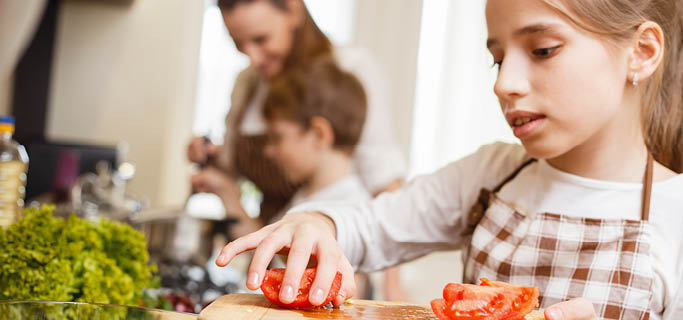
- Two in five teens (41%) cannot cook a basic meal but most (65%) want to learn how.
- More than 92% of teens and parents do not know the Australian dietary guidelines for serves of vegetables, proteins, grains or dairy.
- Many teens hold misbeliefs about diets: half (54%) believe high-protein diets and one in four (23%) believe low-carbohydrate diets are better for teens’ health.
- Close to half of teens (41%) report having protein shakes, powders or bars at least once a week and a third (32%) have energy drinks at least weekly.
Poll report

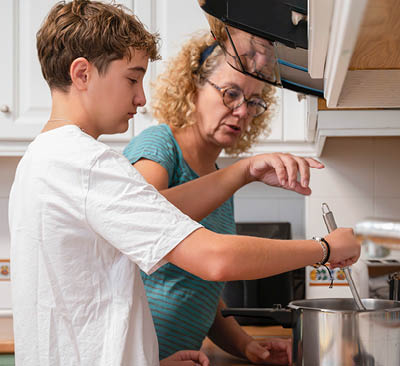
The latest National Child Health Poll explores nutritional knowledge and behaviours among Australian teens, aged 12 to 17 years. Teens were asked a series of questions regarding their ability and willingness to cook. Although the majority of teens (59%) say they can cook a basic meal, more than one third (36%) say they can only prepare a snack, and 5% cannot either cook a basic meal or prepare a snack. While one in five teens (21%) never help make the family dinner, a third (35%) say they help on one night a week, and one in seven (14%) say they help most nights (4 or more) of the week. According to half of parents (54%), teens cannot cook a basic meal because they are not interested in learning to do so. However, when teens themselves were asked, two in three (65%) say they would like to learn to cook a basic meal. Being able to plan and cook meals is linked to more stable diet patterns and better nutrition, which ultimately improve health. Read the full report to explore these findings further.
Download the report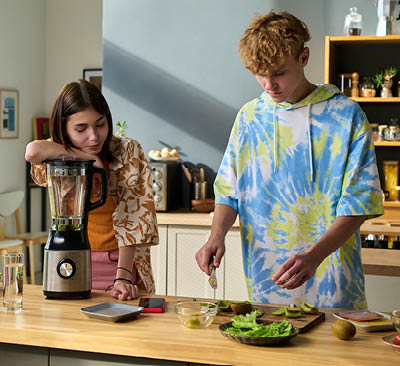
Poll questions
The poll surveyed 2,286 Australian parents and 1,595 children aged 12 to 17 years in January 2026. Parents provided data on their child, and the selected child shared data on their understanding of nutritional guidelines, recommended dietary intake, involvement in meal preparation and use of dietary supplements.
Download the questions
In the news
The Daily Telegraph: Aussie families healthy eating knowledge was put to the test. The results were shocking
The Herald Sun: The shock healthy eating myths fooling Aussie teens — and parents
River 1467AM: National Child Health Poll released
Information for parents
The Royal Children’s Hospital has developed nutrition fact sheets for parents of children and teens, and a separate fact sheet for teens: